Tips for Managing Health Insurance Costs While Traveling
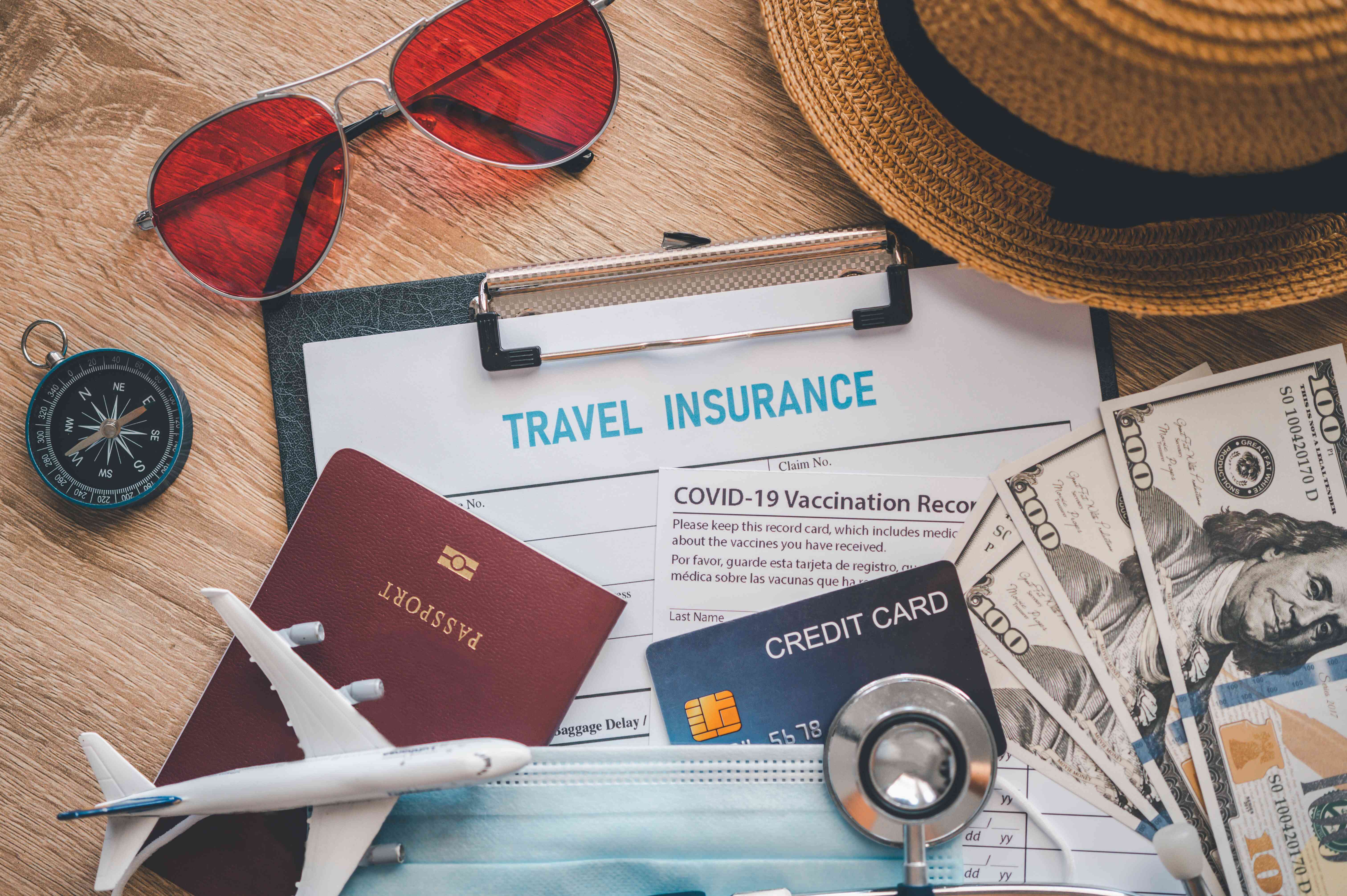
Traveling can be an exciting adventure, but it also comes with its own set of health insurance and medical expense challenges. Whether you're traveling domestically or abroad, understanding how to manage your health insurance costs and plan for potential medical needs is crucial for a smooth and stress-free trip. This comprehensive guide offers practical tips to help you handle health insurance and medical expenses while traveling.
1. Review Your Health Insurance Coverage Before You Travel
1.1. Domestic Travel
- Check Network Providers: Verify that your current health insurance plan covers medical services in the area you’re traveling to. For example, if you have an HMO plan, you may need to ensure that there are in-network providers available or seek out temporary coverage options.
- Understand Coverage Limits: Review your policy to understand any limitations or exclusions related to travel. Some plans may have restrictions on out-of-network care or specific geographic areas.
1.2. International Travel
- Verify Global Coverage: Confirm whether your health insurance plan provides coverage abroad. Many domestic health insurance plans offer limited or no international coverage.
- Purchase Travel Insurance: Consider buying a travel insurance policy that includes health coverage. This can help cover medical expenses, emergency evacuations, and other unexpected costs while traveling abroad.
2. Carry Essential Health Information
2.1. Medical Records
- Create a Travel Health Kit: Prepare a travel health kit containing essential medical records, including a list of any chronic conditions, allergies, medications, and emergency contacts.
- Include Prescriptions: Bring an adequate supply of any prescription medications you need, along with copies of your prescriptions. It’s also helpful to have a note from your doctor detailing your medical conditions and necessary treatments.
2.2. Insurance Documents
- Carry Insurance Information: Have a copy of your health insurance card and any relevant policy details with you. For international travel, also carry contact information for your insurance provider or travel assistance service.
3. Plan for Medical Emergencies
3.1. Know How to Access Care
- Local Health Services: Research healthcare facilities and providers in the area you’ll be visiting. Knowing where to go in case of a medical emergency can save time and reduce stress.
- Emergency Services: Understand the local emergency number for medical services. In many countries, this number differs from 911, so be sure to familiarize yourself with it.
3.2. Contact Your Insurance Provider
- Emergency Notification: If you require medical care while traveling, notify your insurance provider as soon as possible. They can guide you on coverage, network providers, and the claims process.
4. Manage Costs During Your Trip
4.1. Use Preventive Measures
- Stay Healthy: Take precautions to stay healthy while traveling, such as adhering to food and water safety guidelines, using insect repellent, and practicing good hygiene.
- Vaccinations: Check if any vaccinations or health precautions are recommended or required for your destination and get them before traveling.
4.2. Keep Detailed Records
- Track Expenses: Keep detailed records of all medical expenses incurred during your trip. This includes receipts, invoices, and any correspondence with healthcare providers.
- Document Claims: Document any interactions with your insurance company and healthcare providers to streamline the claims process once you return home.
5. Understand the Claims Process
5.1. Filing Claims
- Know the Process: Understand how to file a claim with your health insurance provider. This typically involves submitting documentation of your medical expenses and any required forms.
- Submit Documentation: Ensure that all required documents, such as bills and proof of payment, are submitted accurately and promptly to avoid delays in reimbursement.
5.2. Follow Up
- Track Your Claim: After submitting your claim, follow up with your insurance provider to check on its status. Address any additional information or documentation they may request.
6. Budget for Potential Medical Costs
6.1. Set Aside Funds
- Emergency Fund: Set aside extra funds in your travel budget specifically for potential medical expenses. This can provide peace of mind and financial flexibility in case of unexpected health issues.
6.2. Consider Additional Coverage
- Supplemental Insurance: Depending on your destination and planned activities, consider additional coverage options such as trip insurance that includes medical expenses or adventure sports coverage if you plan to engage in high-risk activities.
7. Use Technology and Resources
7.1. Health Apps and Resources
- Health Apps: Utilize health and travel apps that provide information on nearby healthcare facilities, emergency services, and health tips specific to your destination.
- Online Resources: Research online resources and forums for advice on health insurance and medical care specific to your travel destination.
7.2. Contact Travel Assistance Services
- Travel Assistance: Many travel insurance policies include access to 24/7 travel assistance services. These services can help you find medical care, translate medical information, and handle other travel-related issues.
Conclusion
Managing health insurance costs and medical expenses while traveling requires careful planning and preparation. By reviewing your insurance coverage, carrying essential health information, planning for emergencies, managing costs, understanding the claims process, and using available resources, you can navigate healthcare needs more effectively during your trip. Whether traveling domestically or internationally, taking these steps will help ensure that you are well-prepared and protected against potential health-related issues while enjoying your travels.